
"tangerine wave"
4500 article(s) found
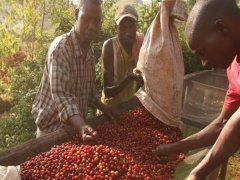
Description of Burundian Bourbon Coffee Flavor in the Heart of Africa Sun description of hand-pulping parameters and introduction of Parma treatment Plant
Professional baristas please follow the coffee workshop (Wechat official account cafe_style) Burundian Champion processing Plant (Burundi Kayanza Kabuye SEGEC Mpanga Natural) production area: Kayanza Kabuye variety: bourbon (Bourbon) altitude: 1800 meters above sea level: sun harvest time: may August flavor

Description of coffee flavor in main producing areas of coffee taste characteristics of coffee producing area
Professional coffee knowledge exchange more coffee bean information Please pay attention to the coffee workshop (Wechat official account cafe_style) Coffee beans are mainly divided into three places: Africa, America, Asia and Africa: Ethiopian coffee has a strong orange flavor, Kenyan coffee has a strong berry flavor, as well as sour aromas of black plum juice and grapefruit, and sweet sugar cane flavor. Tangerine from Ethiopian coffee

Three waves of coffee in history
The first coffee wave: in the 1930s and 1940s, the US military took coffee as a necessity around the world to prevent combat fatigue, and the bitterness of coffee was known by the public as a pick-me-up. Then the invention and rise of instant coffee. The second Coffee Wave: after World War II, the Italian method of steam pressure extraction of espresso began to be familiar and accepted.
Three waves of Coffee in the History of Coffee
The first coffee wave: in the 1930s and 1940s, the US military took coffee as a necessity around the world to prevent combat fatigue, and the bitterness of coffee was known by the public as a pick-me-up. Then the invention and rise of instant coffee. The second Coffee Wave: after World War II, the Italian method of steam pressure extraction of espresso began to be familiar and accepted.
Three waves of Coffee in the History of Fine Coffee Culture
The first coffee wave: in the 1930s and 1940s, the US military took coffee as a necessity around the world to prevent combat fatigue, and the bitterness of coffee was known by the public as a pick-me-up. Then the invention and rise of instant coffee. The second Coffee Wave: after World War II, the Italian method of steam pressure extraction of espresso began to be familiar and accepted.

Three waves of Coffee in the History of Fine Coffee
The first coffee wave: in the 1930s and 1940s, the US military took coffee as a necessity around the world to prevent combat fatigue, and the bitterness of coffee was known by the public as a pick-me-up. Then the invention and rise of instant coffee. The second Coffee Wave: after World War II, the Italian method of steam pressure extraction of espresso began to be familiar and accepted.

The high-quality "third coffee wave" capital market has entered the coffee industry.
Professional coffee knowledge exchange more coffee bean information Please pay attention to Coffee Workshop (Wechat official account cafe_style) the third wave of boutique coffee broke a static market, but this wave was quickly picked up by capital in the past. To break the static market was a movement called the third Coffee Wave, which started in the United States around 2003. To accept the baptism of this wave

Three waves of Coffee in the History of Fine Coffee Culture
The first coffee wave: in the 1930s and 1940s, the US military took coffee as a necessity around the world to prevent combat fatigue, and the bitterness of coffee was known by the public as a pick-me-up. Then the invention and rise of instant coffee. The second Coffee Wave: after World War II, the Italian method of steam pressure extraction of espresso began to be familiar and accepted.

Introduction to the producing area of Bolivian Coffee Flavor description Price Manor
The advantage of Bolivian coffee lies in its high altitude and excellent varieties of coffee, where the traditional Tibica and a small amount of Kaddura are highly valued in the world market. Bolivia is not a big coffee producer, but the excellent altitude and climatic conditions of the La Paz Mountains make the coffee produced here is of excellent quality. Bolivian boutique coffee is delicate, bright and sweet.

What are the characteristics of the bourbon variety of the bourbon manor in Guatemala? Planting environment?
Professional coffee knowledge exchange more coffee bean information please follow the coffee workshop (Wechat official account cafe_style) what are the characteristics of bourbon varieties in bourbon estate in Guatemala? Planting environment? The estate is located in a very special area of Patzun in Chimaltenango province, which is located in two major coffee producers, Acatenango and Atitlan.

Malt Sweet Bolivian Coffee Grinding scale Variety Flavor description Taste Manor introduction
Traditional Typica species are mostly grown on high mountains with rich volcanic soil more than 2000 meters above sea level. The source of water for coffee treatment also comes from melted snow water in the mountains, which is completely pollution-free. Because of its high altitude and low temperature all the year round, the Typica species here is not as big as that of neighboring countries, but it has more diverse fragrances and fuller sweetness. Clean malt sweet, orange, red jujube, and lemon peel

A detailed explanation of the three coffee waves in the history of boutique coffee
The first coffee wave: in the 1930s and 1940s, the US military took coffee as a necessity around the world to prevent combat fatigue, and the bitterness of coffee was known by the public as a pick-me-up. Then the invention and rise of instant coffee. The second Coffee Wave: after World War II, the Italian method of steam pressure extraction of espresso began to be familiar and accepted.

Almond aroma Burundian boutique coffee bean flavor taste manor production area introduction of Burundian coffee
Burundi has the most diverse and successful coffee industry in the world, and has its own characteristics. Coffee in this country was introduced by Belgian colonists in 1930 and is now grown only on small farms. Unfortunately, many of these farms are on the border with war-torn Rwanda, putting pressure on coffee production. Coffee produced in Burundi.

The second wave of coffee: how does Starbucks sweep the world from New York to Taipei?
Professional barista communication please follow the coffee workshop (Wechat official account cafe_style) following the history of the first wave of coffee: who makes office workers want to have a drink with you no matter how busy they are? We discuss the emergence of the first wave of coffee and the story of instant coffee. This time Goat Coffee will take you to understand the globalization of the second wave of coffee chain coffee shops. What is the second wave of coffee?

Introduction to Adulina (Adulina Company) Coffee Raw Bean Resolution in Ethiopia
Ethiopia Adulina Yega Chuefei G2 Ethiopia Adulina (Adulina) was founded in 1996. Since its establishment, it has focused on exporting high-quality washing and sun-drying raw beans. Due to the excellent quality and stability of raw beans, it has become the number one local export company in Ethiopia since 2007, exporting about 23000 tons a year, accounting for 13% of Ethiopia's annual coffee exports.

Introduction of Ruvuma producing areas in Tanzania | what is the flavor of AA in Tanzania?
For many people, Tanzanian coffee is peaberry. Compared with other countries, raw beans in Tanzania may account for a higher proportion of total export crops. On the other hand, Tanzania also produces some very fine lentil (ordinary shape beans) coffee. We think the crops from the Ruvuma region clearly prove this. Ruvuma is west of Tanzania.

There are several waves of coffee to understand that the next fourth wave of coffee has a complete traceability.
Professional coffee knowledge exchange more coffee bean information please follow the coffee workshop (Wechat official account cafe_style) Front Street-Coffee Tide brief introduction in the industrial revolution and the two world wars, coffee and tea played a refreshing and invigorating role, instant coffee is the product of this period, emphasizing convenience, fast and cheap, human beings began to drink a lot of coffee, called the first
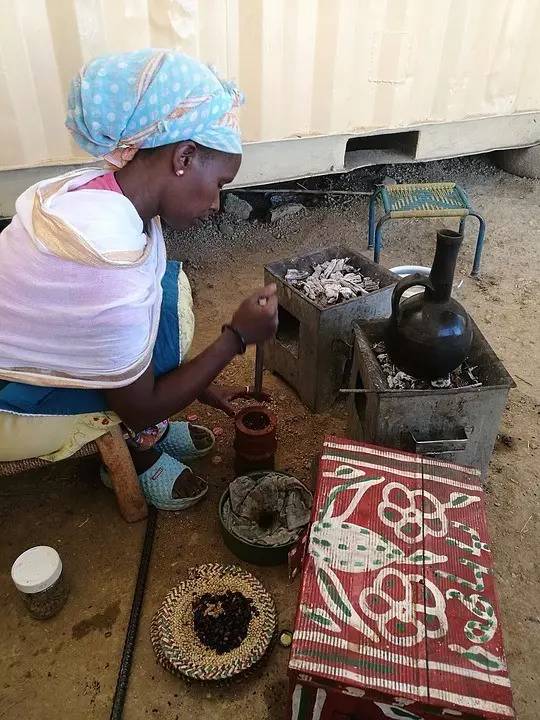
Barista must know the chronicles of coffee! Coffee History Review
How do you create coffee? Why not? Coffee tournaments around the world and a $30 billion export industry, how did we get here? Also, how did the first, second, third and even fourth waves of coffee come about? If you've ever thought about these questions, be prepared. Old Walter will lead you from the 14th century onwards.

Front Street Cafe Guatemala Wonderful Estate Guatemala Acatnam Fruit Washed Bourbon Coffee Bean
Coffee Bean Details: Country: Guatemala Grade: SHB Region: Acatenango Estate: Fantastic Manor Treatment: Washing varieties: Bourbon species Elevation: 1950~2150 m Flavor: Cocoa notes, vanilla, fir, spice aromas, lively acidity, balanced taste Soft cup information SCAA : 87.0 Fragrance/Aroma : Sweet fruit aroma 8-9

Strong citrus fruit flavor of Kenyan coffee introduce boutique coffee Berman Manor
Kenyan coffee has always been a very representative category of African coffee varieties. Basically, every coffee lover has his own favorite African coffee or two, and Kenyan varieties must have a place in it. The best Kenyan flavors are hybrid and have quite obvious fruity flavors (such as strawberries and citrus) and sometimes lead to the belief that